Season clock
Typical first flush Sep 8. Typical last flush Feb 20.
Cool maritime, 1,500–4,000 mm rain. Peak after September fronts.
Canada · season upcoming
Temperate rainforest. The global classroom for chanterelles, pine mushrooms, and winter yellowfeet. First fall rains flip the switch.
West Island hemlock
Old hemlock / fir, deep moss · 50–600 m
East Island rainshadow
Douglas-fir, rocky benches · 0–400 m
Sunshine Coast
Fir-hemlock slopes · 50–800 m
Sea-to-Sky
Montane fir, later season · 400–1,200 m
North Coast / Haida Gwaii approaches
Hypermaritime spruce-hemlock · 0–400 m
Typical first flush Sep 8. Typical last flush Feb 20.
Cool maritime, 1,500–4,000 mm rain. Peak after September fronts.
Crown land: personal harvest is generally tolerated in small amounts; commercial picking on Crown land needs authorization. Parks and ecological reserves are closed. First Nations territories — ask. Rec sites and community watersheds may ban harvest.
Selling wild mushrooms in BC is food: you need a food-premises path, clean coolers, and a buyer who will reject dirty product. Export (matsutake) has additional paperwork. Never sell controlled species.
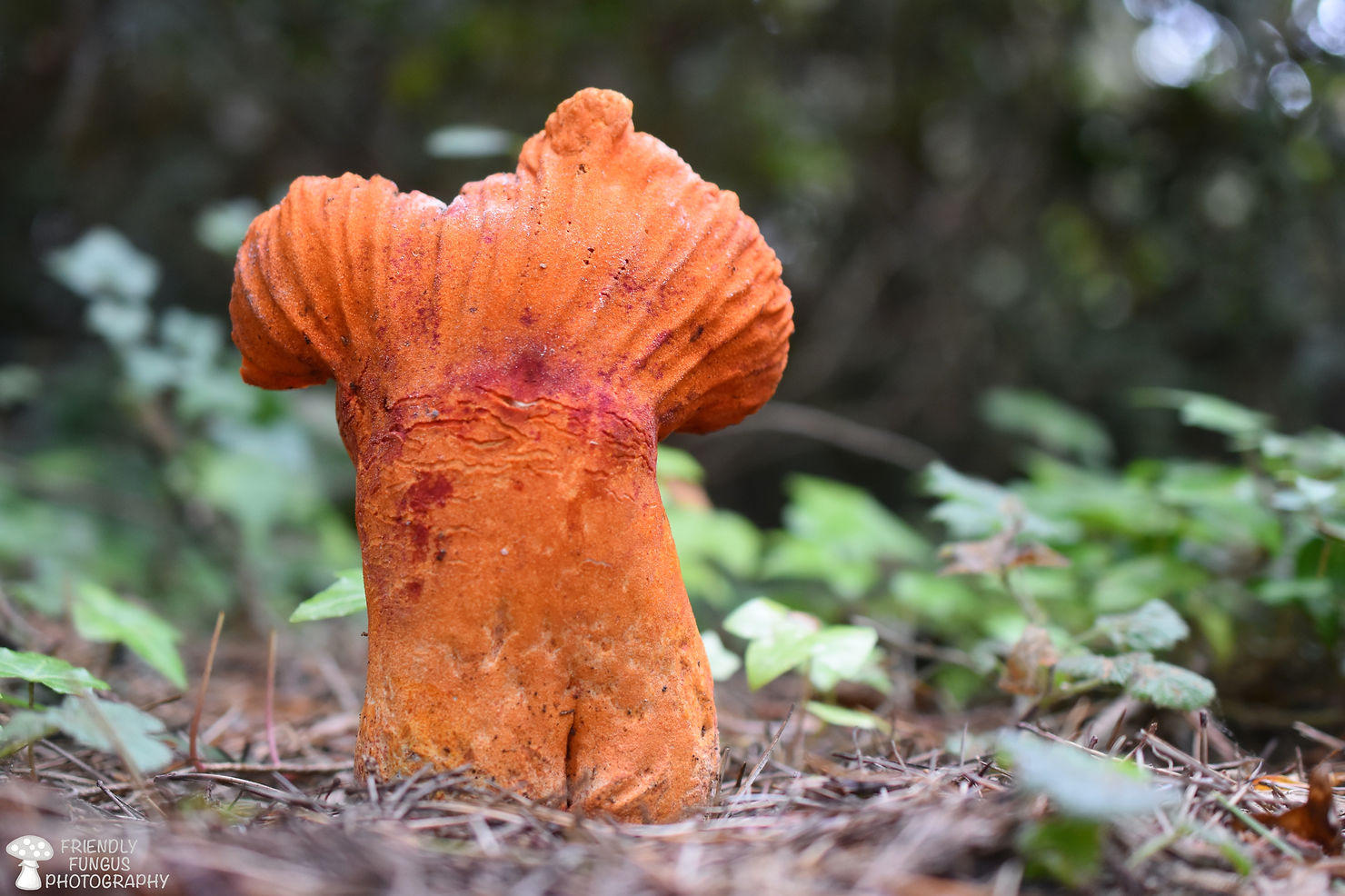
Aug 5 → Oct 10
Hypomyces lactifluorum
After warm rains, fir duff. Peak: Sep.
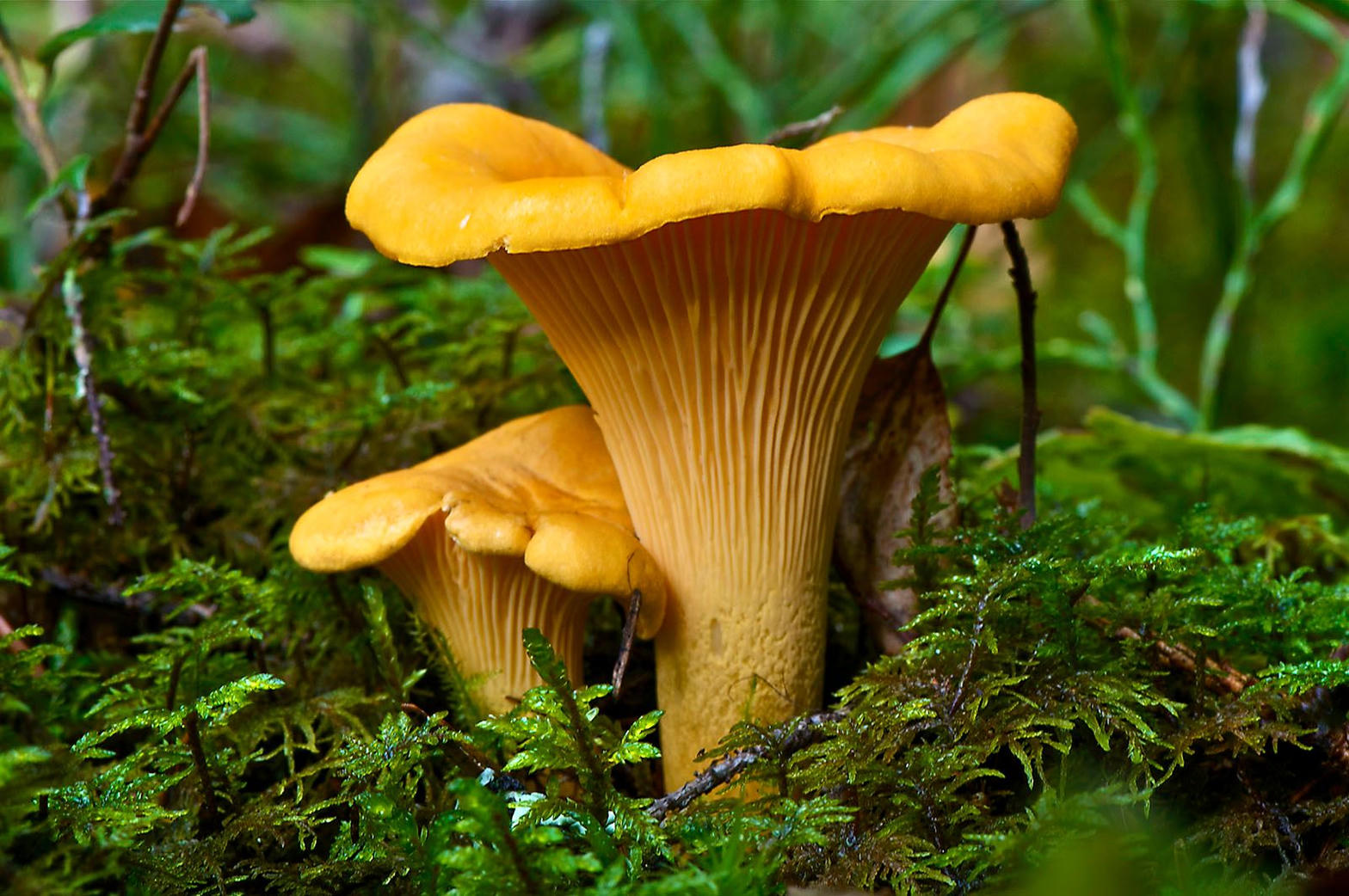
Sep 8 → Nov 30
Cantharellus formosus / C. cibarius complex
Starts on the wet west; later in rainshadow. Peak: Oct 1–25.
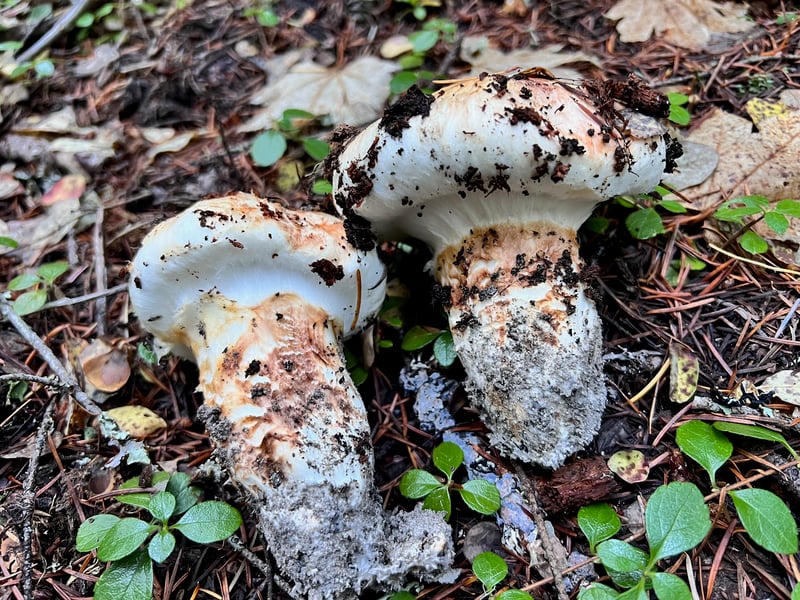
Sep 15 → Nov 10
Tricholoma murrillianum
Sandy hemlock / tanoak analog stands. Peak: Oct.
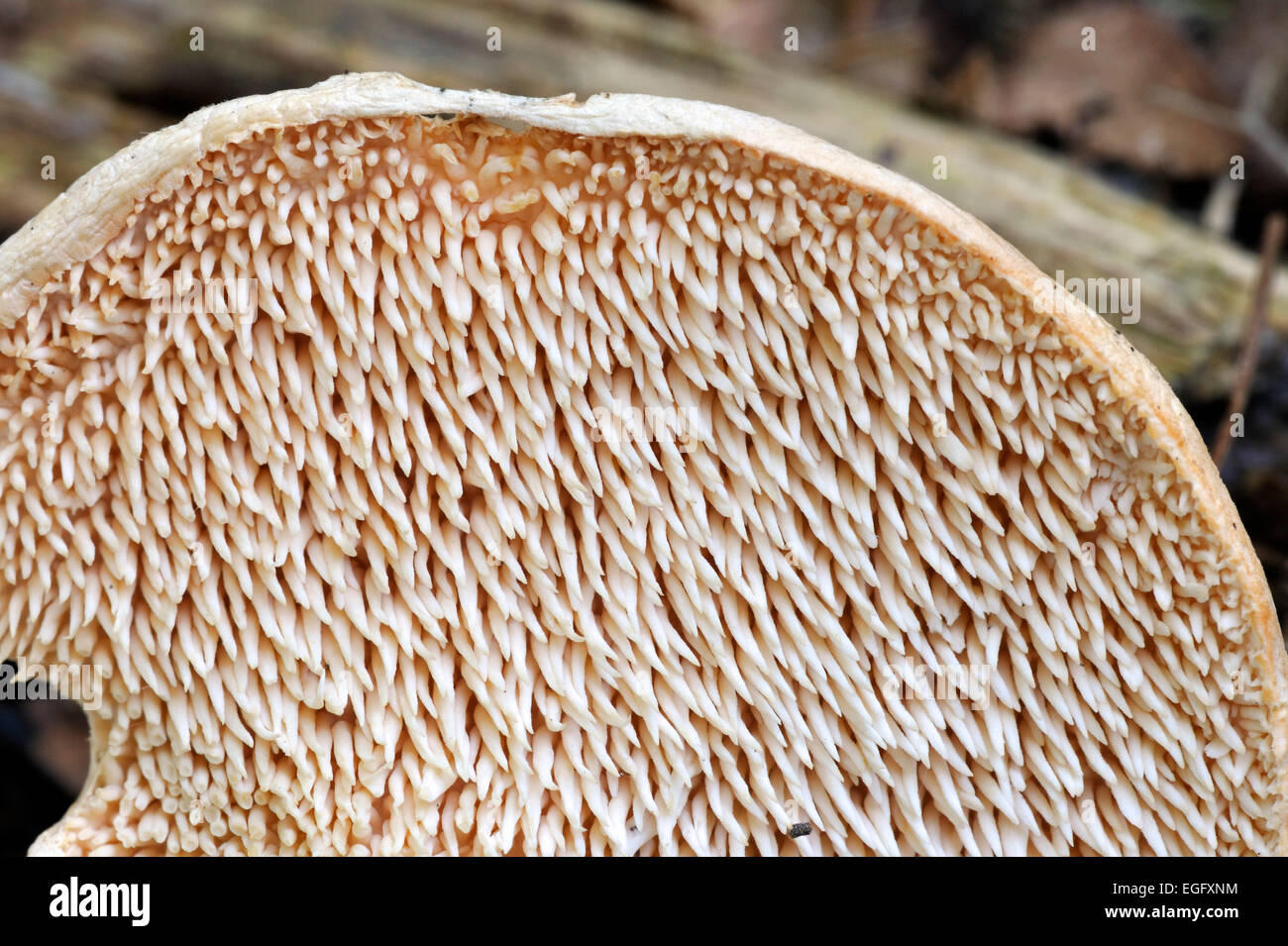
Sep 20 → Dec 15
Hydnum repandum
Often after chanterelles fade. Peak: Oct–Nov.
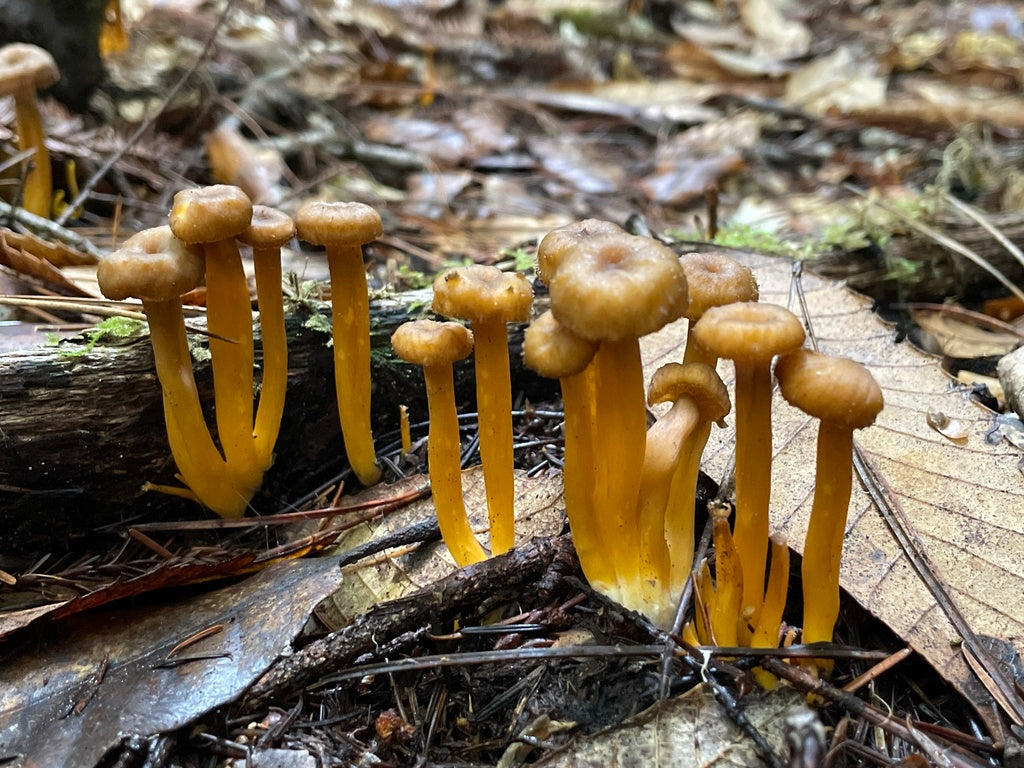
Oct 10 → Feb 20
Craterellus tubaeformis
True winter crop on the coast. Peak: Nov–Jan.
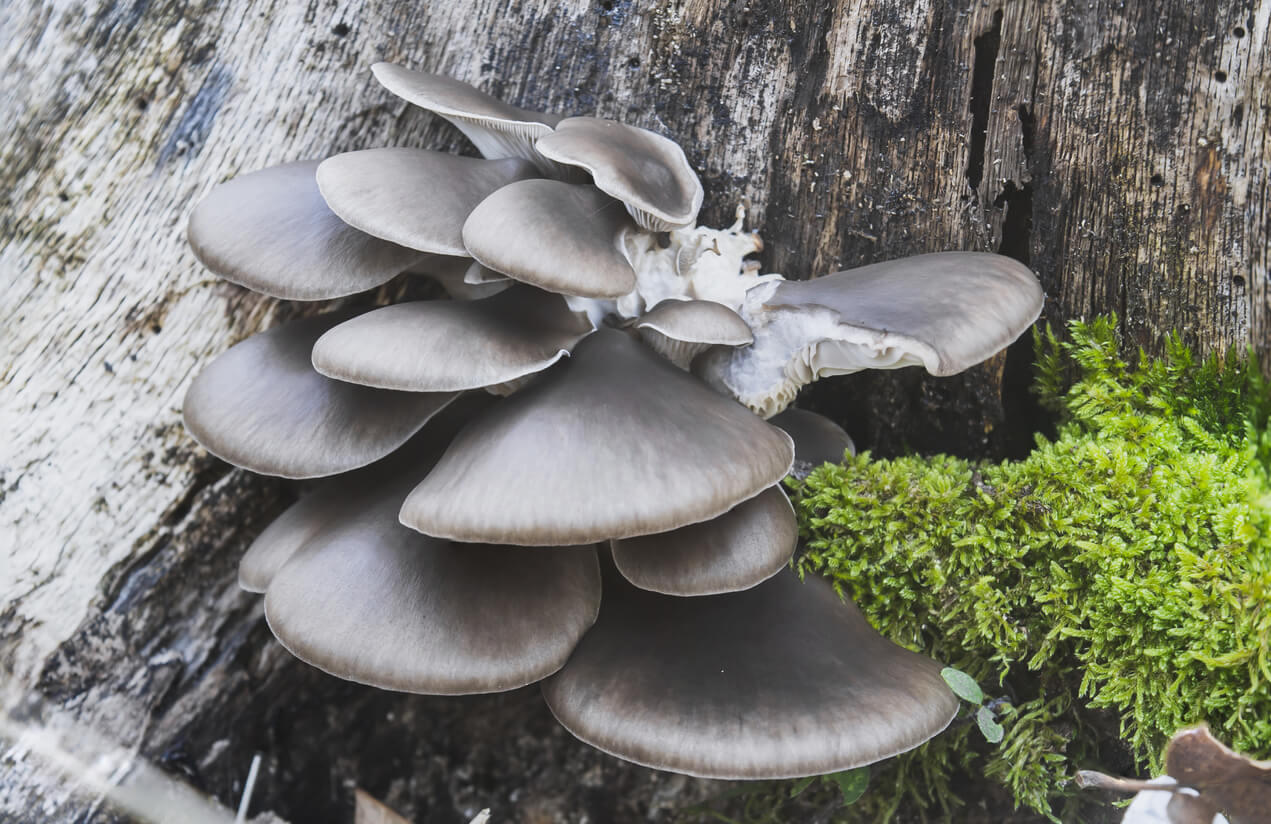
Oct 1 → Mar 15
Pleurotus ostreatus complex
Cottonwood and alder deadwood. Peak: Nov–Jan.
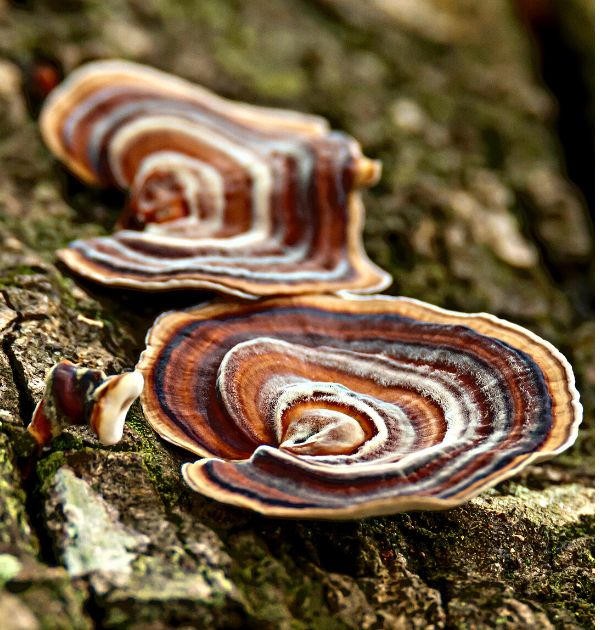
Jan 1 → Dec 31
Trametes versicolor
Year-round woody; new growth after rain. Peak: Oct–Mar.
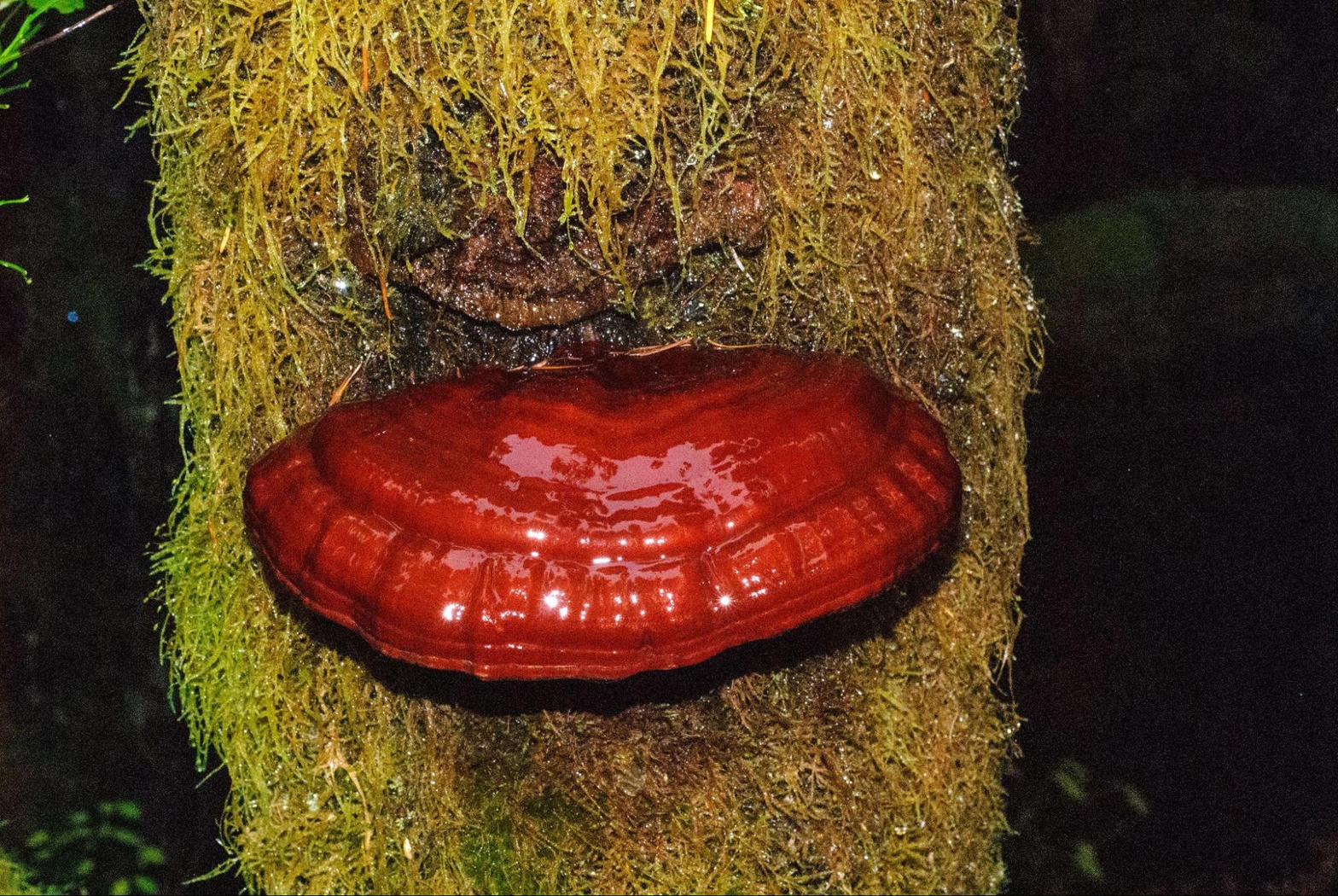
Jul 1 → Oct 31
Ganoderma lucidum / G. oregonense
Woody; can be cut later if sound. Peak: Aug–Sep.