Season clock
Typical first flush Jun 5. Typical last flush Oct 10.
Southwest monsoon June–September. First soaking week is the Termitomyces alarm clock.
India / Sri Lanka fringe · season open
Termitomyces (termite mushrooms) after the first monsoon, plus paddy-straw cousins and a huge medicinal polypore flora. This is not a chanterelle forest — learn the local genera.
Sahyadri escarpment
Laterite, termite mounds · 200–1,200 m
Nilgiri / Wayanad
Shola-plantation edge · 800–2,000 m
Konkan coast
Farm bunds, groves · 0–200 m
Anamalai / Palani
Moist deciduous · 400–1,800 m
Typical first flush Jun 5. Typical last flush Oct 10.
Southwest monsoon June–September. First soaking week is the Termitomyces alarm clock.
Reserve forests and wildlife sanctuaries are generally closed to harvest. Village commons and farm bunds are the ethical ground.
Local wet markets already trade Termitomyces. Outsiders undercutting village women is a bad business and a worse ethic. Food-safety: cook thoroughly, same day.
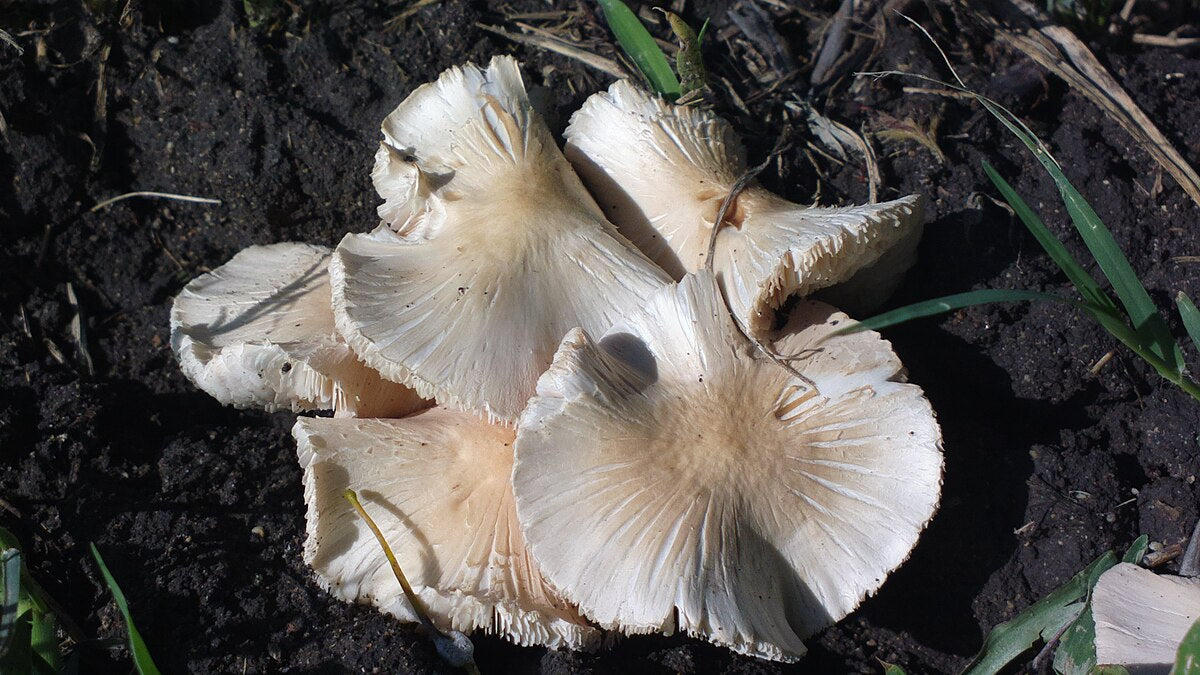
Jun 5 → Sep 20
Termitomyces clypeatus / T. heimii / T. eurrhizus
First soaking monsoon week is the alarm clock. Village commons, not sanctuaries. Peak: Jun 10–Jul 15.
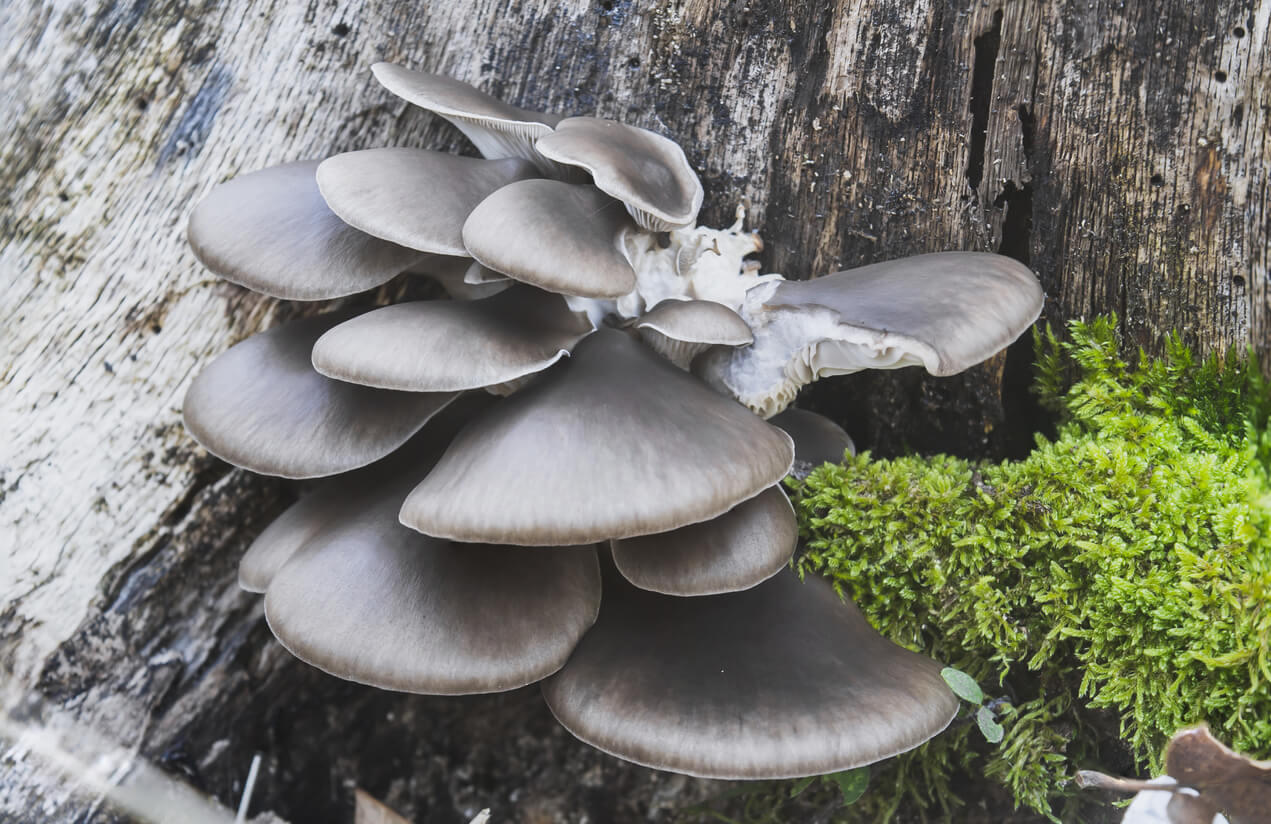
Jul 1 → Oct 10
Pleurotus ostreatus complex
Dead jackfruit, mango, and rain-tree wood near farms. Peak: Aug.
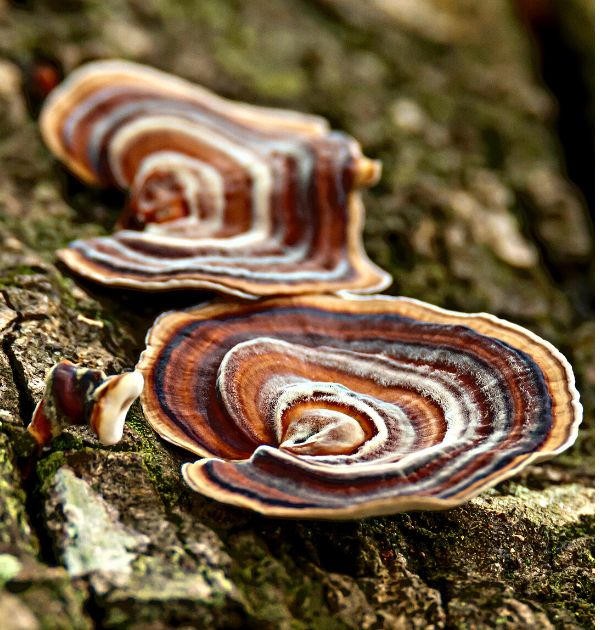
Jun 15 → Oct 10
Trametes versicolor
Hardwood deadwood in evergreen belts. Peak: Aug.
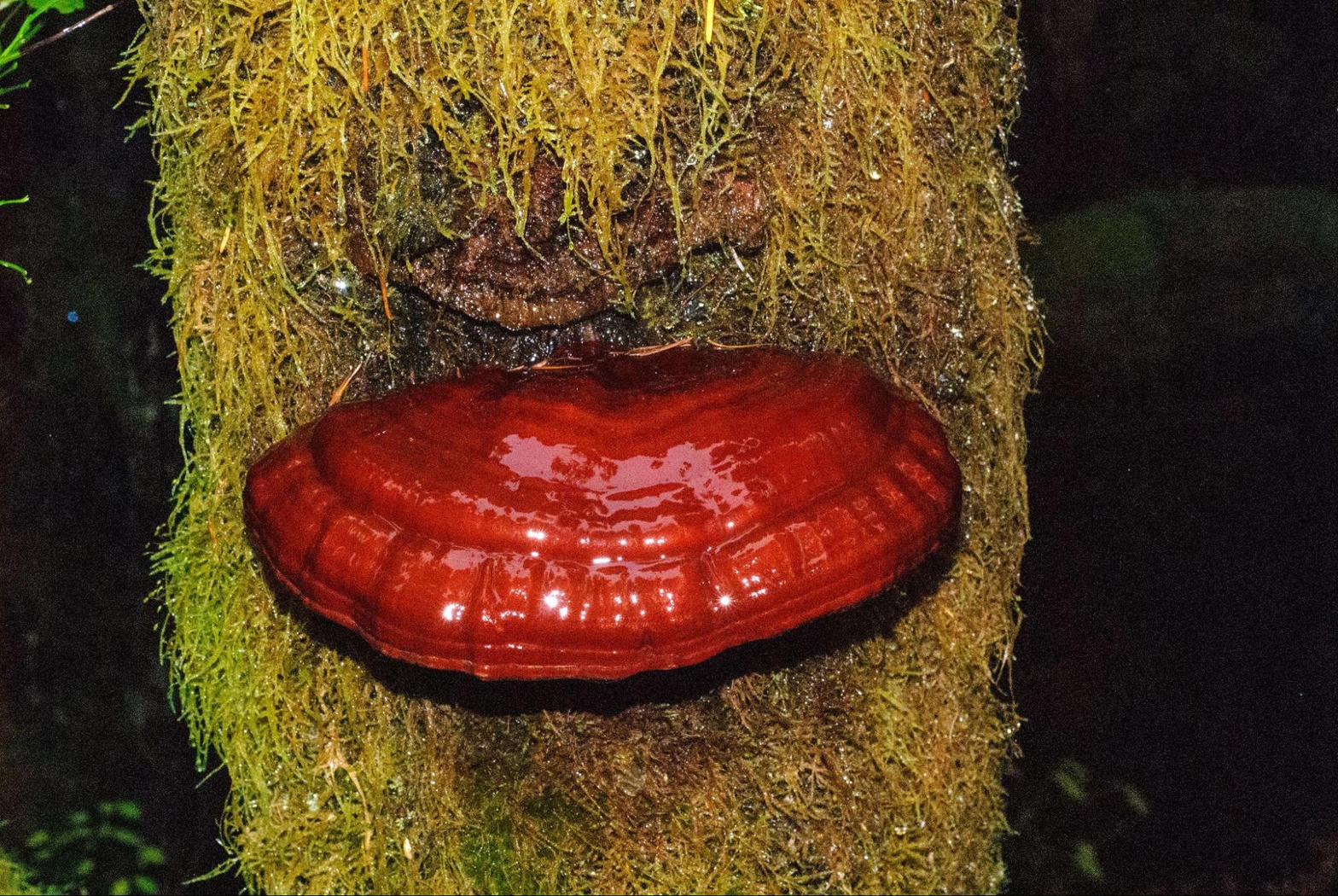
Jun 20 → Oct 10
Ganoderma lucidum / G. oregonense
Woody ganodermas on rainforest stumps. Peak: Aug.